
Is a site built with Claude Code any good, or does it just look finished?
I haven’t built these seven, and I haven’t tested their claims, so every number below is the builder’s own, read from their write-up on 2 November 2026. I read dozens of “I built my site with Claude Code” posts, threw out the ones with no detail, and kept the seven that say what broke as well as what worked: four business sites, a personal publishing network, a programmatic site and an SEO clean-up that went wrong. Each gets screenshots, a verdict and a link to the guide here that fixes its main problem.
Just want to build one? How to build a website with Claude starts from an empty folder.
1. Katarina Dahlin’s agency site: worked, with a speed catch#
- Built by: Katarina Dahlin, an SEO consultant who says she’s “not a developer”
- Stack: Claude Code, Astro and Tailwind, plain HTML files, a standard cPanel web host (Oderland), edited through Pages CMS
- Took: “a few days of working sessions, with many rounds of feedback”
- Verdict: worked

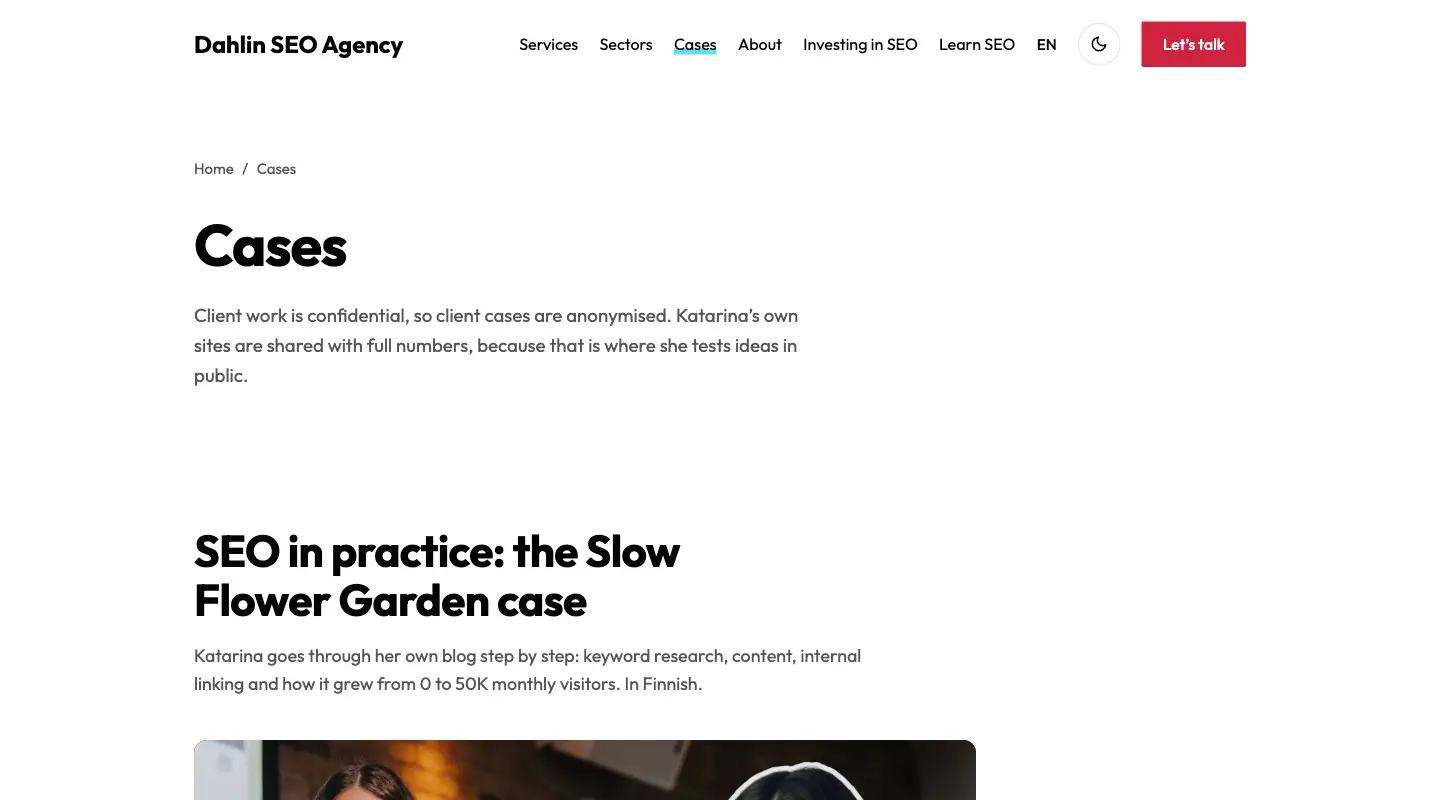
The finished site scores 96 on mobile and 100 on desktop in PageSpeed Insights, with analytics running.
She wrote up every step, including the ones that went wrong. Publishing reported success while nothing changed because the FTP account pointed at a subfolder, a typo in the tag ID meant analytics showed nothing, and loading Google Tag Manager straight away dragged the mobile score from 100 to 81 until she loaded it late.
Pros: no database and no plugins, so there’s little to break, and hosting costs a few euros a month.
Cons: the fiddly bits were hosting folders, permissions and tracking, and Claude couldn’t see any of those from inside the project. No traffic or lead figures either. “Worked” here means it launched quickly and loads quickly.
Fix it: put it online on your own domain covers the hosting and domain mix-ups, and tell Google it exists covers Search Console.
2. Webharu: worked, and cheaper than Webflow#
- Built by: Masato Kurita, who runs Webharu, a web agency in Miyagi, Japan, and already had design and SEO skills
- Stack: Claude Code, Astro, hosted on Cloudflare
- Took: seven days, from planning to launch
- Verdict: worked
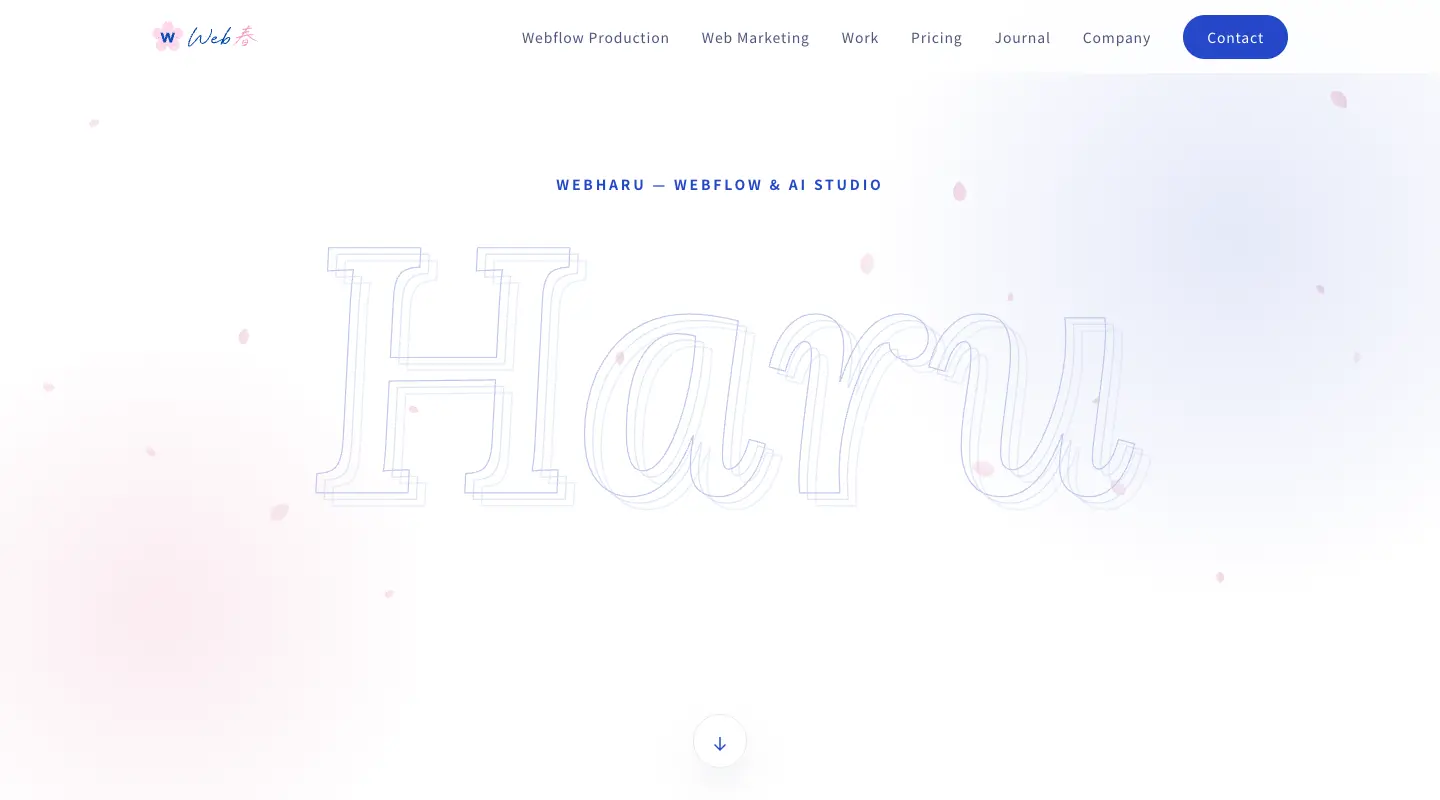
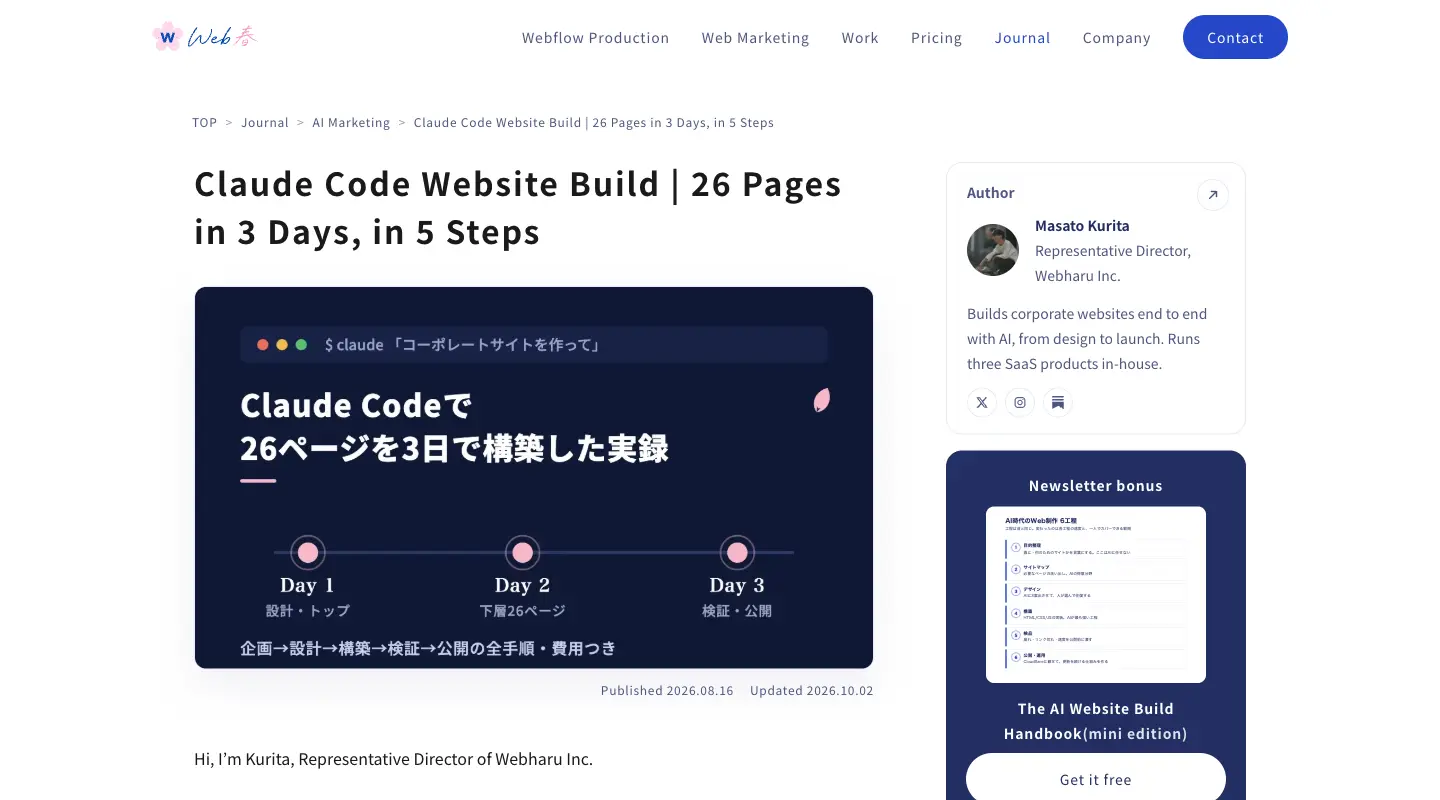
Kurita moved his company site off Webflow, which had cost just under ¥100,000 a year, to Astro on Cloudflare, where the only running cost is a ¥1,500 yearly domain fee.
The build came to 26 new pages and 62 migrated articles, after roughly 50 home page variations on day two. The day after the rebuild, Search Console still showed 24 of his 30 old articles indexed. Not bad.
His write-up is candid about what that speed cost. Reliable design took about a month of trial and error, several half-built sites went in the bin, and a request for “a bit more space between sections” tended to spread across the whole site.
Pros: the lowest running cost on this list, and one article template built all 62 posts. Cons: the AI wrote wording and numbers he never intended, so every page needed a human read, and he warns that a fully AI-generated site “ends up with the same face”.
Fix it: why vibe-coded websites all look the same is the “same face” problem, and the Humanizer skill is for wording you didn’t ask for.
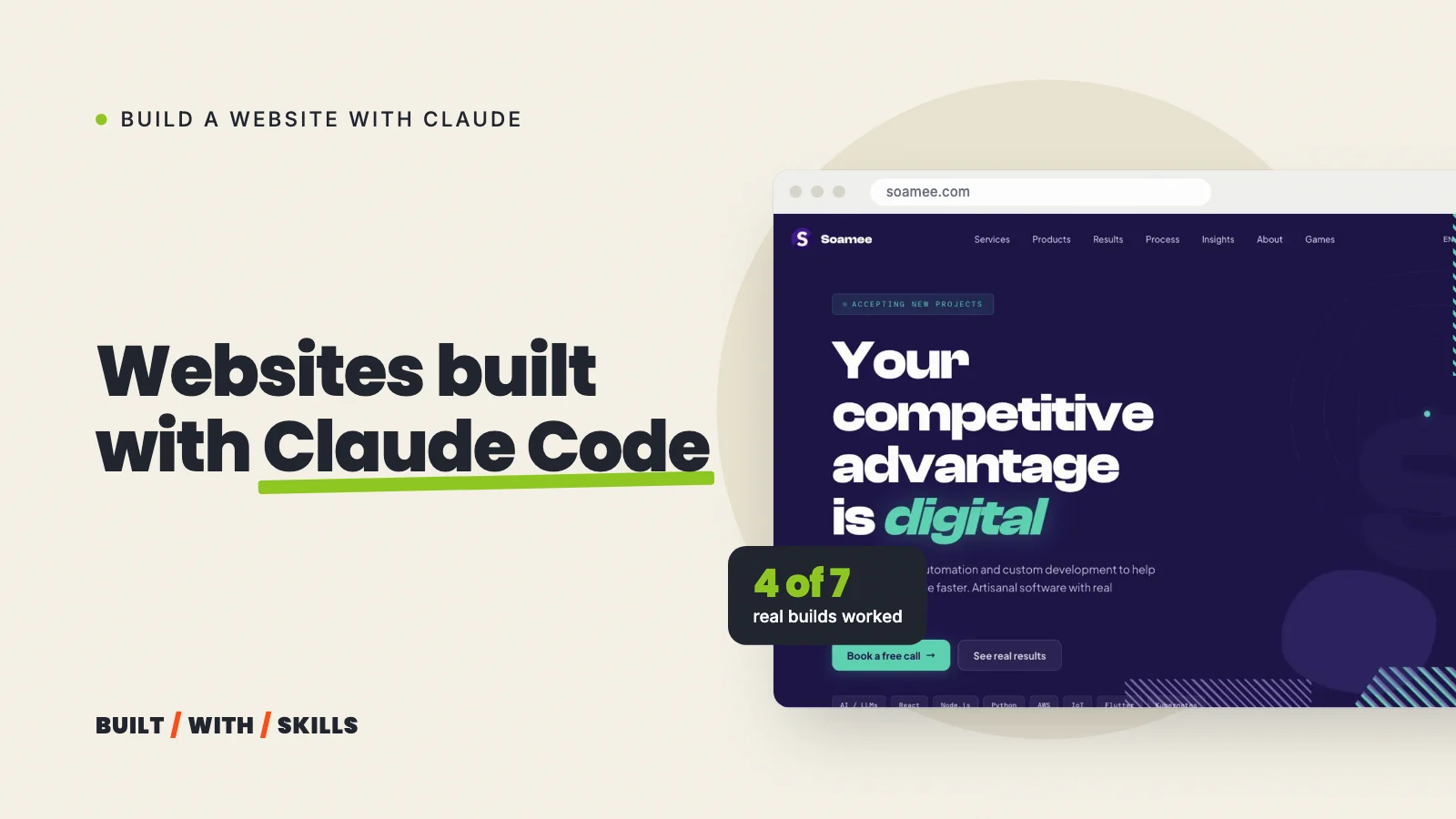
3. Soamee: the long haul, and a generic look#
- Built by: Soamee, a software agency in Madrid, with the post written by co-founder Javier Manzano
- Stack: Astro 5 and Tailwind CSS 4, on Dokku
- Took: a few months to find a workflow, then ongoing
- Verdict: worked
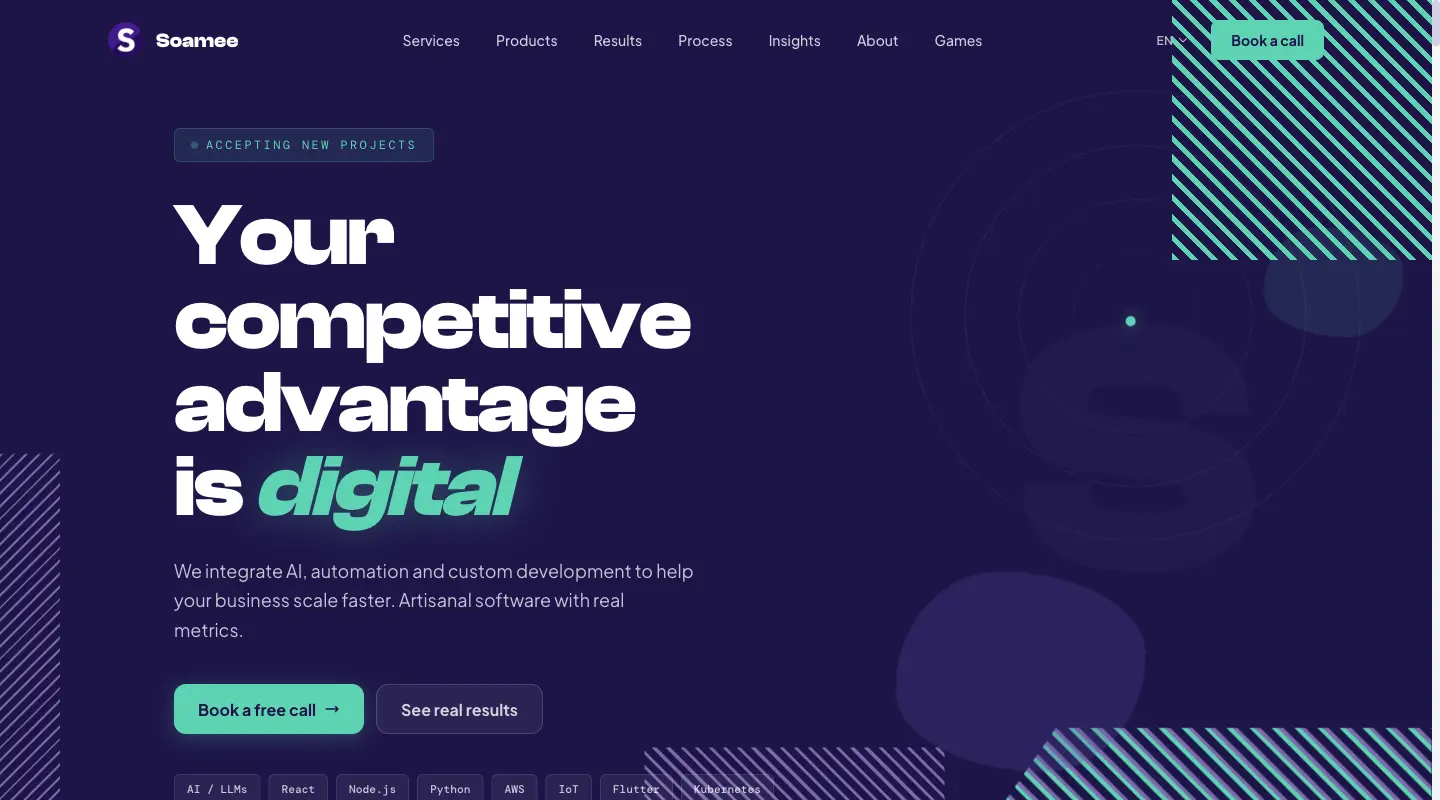
This is the only entry that shows a Claude Code site over time. Of 639 commits since January 2025, 331 (about 52%) involved Claude Code, and the site now holds 345 blog posts and 115 case studies in five languages.
Claude wrote a 400-line translation checker in about twenty minutes that the team reckons takes a person two hours, which makes their account the best case here for handing over repetitive work. It also did three things they had to catch: it suggested APIs that didn’t exist in early Astro 5 and Tailwind 4, it forgot in long sessions that a component had been ruled out hours earlier, and without direction its design came out as the generic Tailwind look. Their rule: nothing Claude writes ships unreviewed.
Pros: it scales, and the team stays in control because they review everything. Cons: they say the site “ranks and converts” but publish no figures.
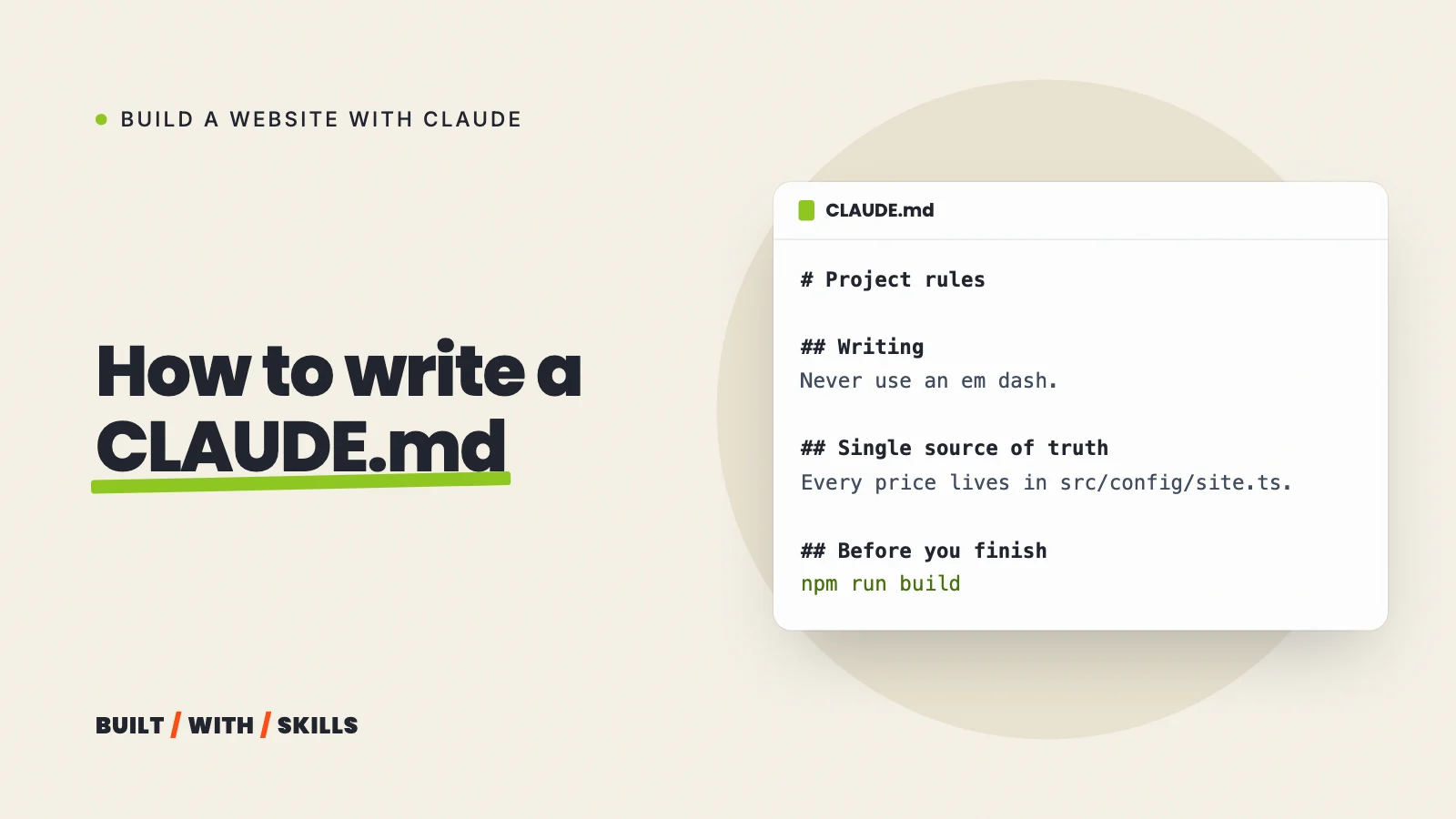
Fix it: a CLAUDE.md file is where you write down what was ruled out so a long session doesn’t forget it, and DESIGN.md is the brief that stops the generic look.
4. KuduTek: a WordPress rebuild in a week#
- Built by: Jon Muller, a solo founder
- Stack: Claude Code, Next.js 14, TypeScript, MDX for posts, Supabase for consent logs, on Vercel
- Took: about a week, against his estimate of four to six weeks without AI
- Verdict: worked

Muller replaced an aging WordPress site with about 15,000 lines of code, 25 migrated blog posts and a cookie-consent system. His Lighthouse SEO score rose from 95 to 100. Nice, though it started high.
The part worth reading in his post is what Claude couldn’t do. The cookie consent logic had race conditions that took several rounds to settle. It made business-logic assumptions he had to correct, and design and UX direction stayed with him.
Pros: he learned the stack while building, because Claude explained its choices. Cons: it’s a heavier setup than a plain business site needs, and Vercel’s free plan is for non-commercial use, so check the plan before you copy the host.
Fix it: website design prompts give Claude the direction it couldn’t supply, and what it costs covers the hosting bill.
5. Leon Furze’s five sites: mixed#
- Built by: Leon Furze, who writes about AI in education
- Stack: Claude Code, Astro 5, TypeScript data files, Cloudflare Pages
- Took: under 20 minutes for the fastest, 23 for another (most of it moving a domain from GoDaddy)
- Verdict: mixed

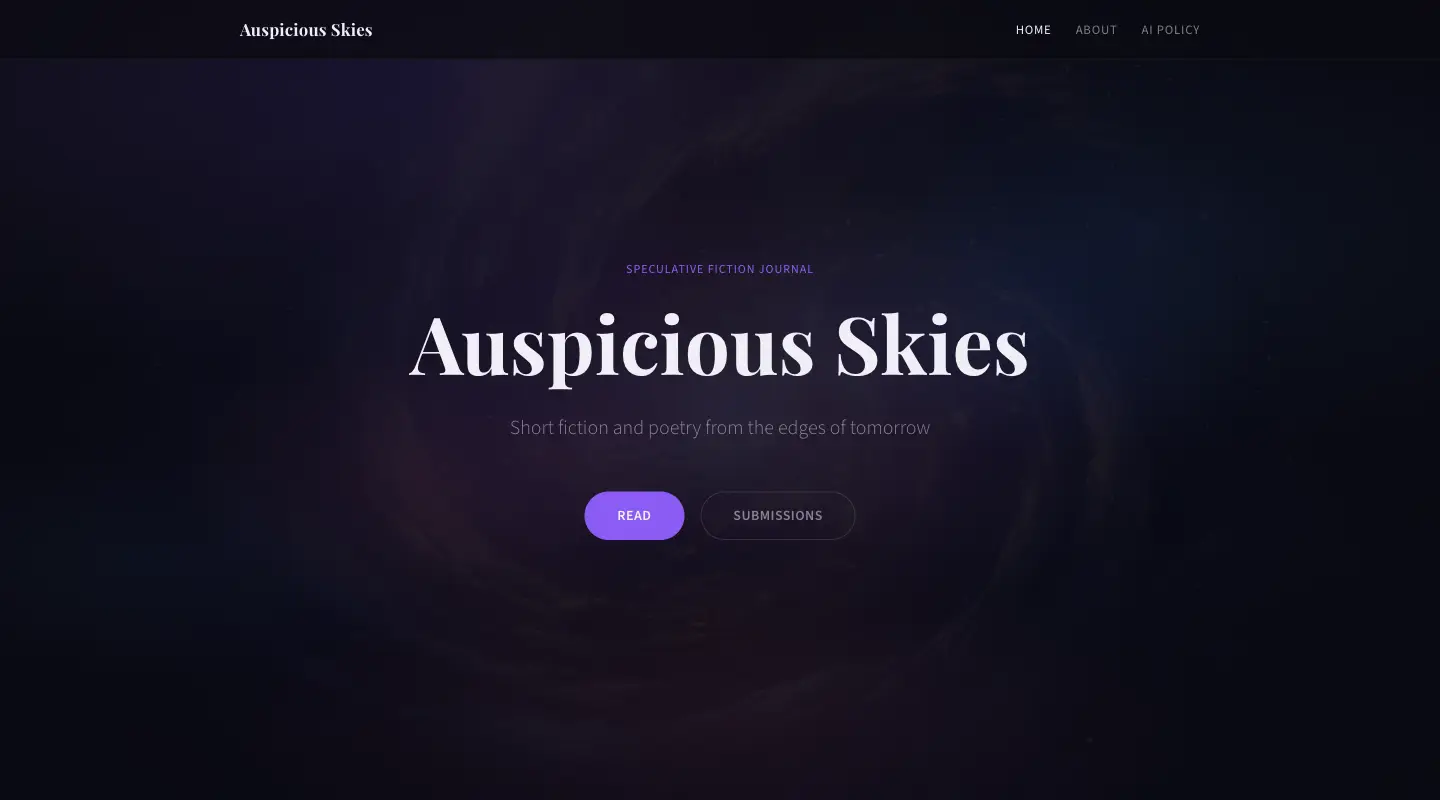
Four of the five sites turned his existing ebooks into websites.
He describes them as better the richer the source material was.
The fifth, a fiction journal called Auspicious Skies, started with two pieces of his flash fiction and nothing else. He judged it thinner. Claude even wrote its own AI policy for the journal’s submissions.
Pros: the fastest builds here, plus agents running an accessibility audit, a security audit and a fact check in parallel. Cons: he reports no traffic or usage for any of the five, and the one built from nothing is the one he’d least stand behind.
Fix it: step 1 of the build guide is about deciding what the site is for and gathering what you have before you open Claude Code.
6. Upstar: lost 84% of its Google impressions in a day#
- Built by: Armel, a solo developer in Abidjan
- Stack: built with Claude Code; about 39,232 URLs, with a French version of nearly every page
- Verdict: failed (so far)
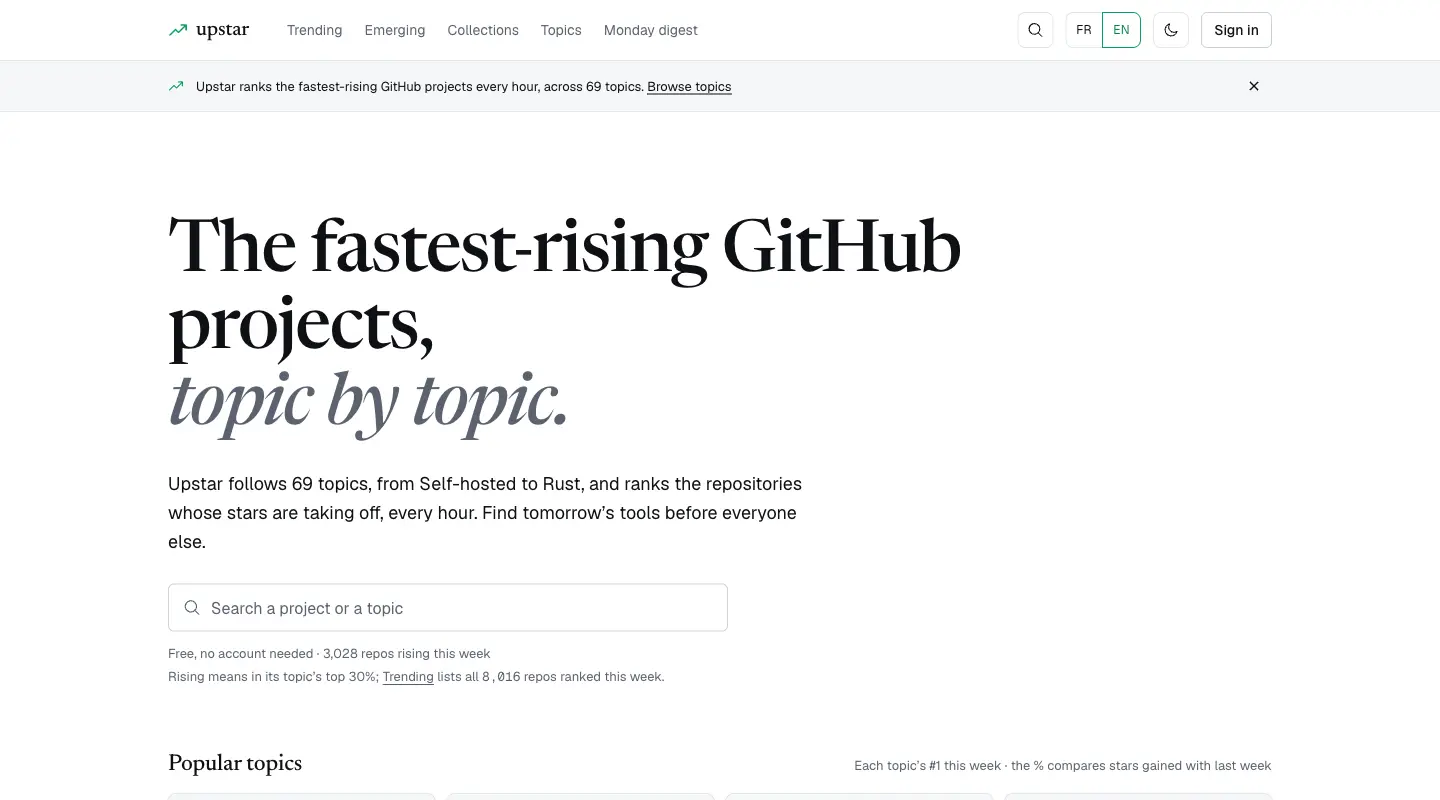
Upstar ranks GitHub repos that are gaining traction across 69 topics. Then, a day after he shipped a README-excerpt feature, daily impressions fell from about 6,450 to 1,031 and clicks from 147 to 54. Ouch.
His post-mortem blames pages built from one template. An audit tool rated only 32% of the content unique, and he links it to Google’s “scaled content abuse” policy.
Average position stayed near 6.7. That hid the problem, because the pages Google still showed ranked fine.
He noindexed about 82% of the pages and rewrote the survivors. It’s too early to know whether the traffic returns. The sharpest line is about the tool: Claude knew Google’s spam policies but never raised them, “and I never asked”.
Pros: the hourly rankings idea is a real product, and a fresh Claude Code session caught that his first fix would let the index regrow by 1,500 pages a week. Cons: nothing in the build process warned him.
Fix it: Claude SEO skills covers what Claude can and can’t check, and step 7 of the build guide shows how to watch indexing in Search Console from day one.
7. Netsujo: an SEO batch that needed a public correction#
- Built by: Netsujo, a Web3 startup in Kyoto
- Stack: Claude Code making SEO changes across an existing site
- Verdict: mixed
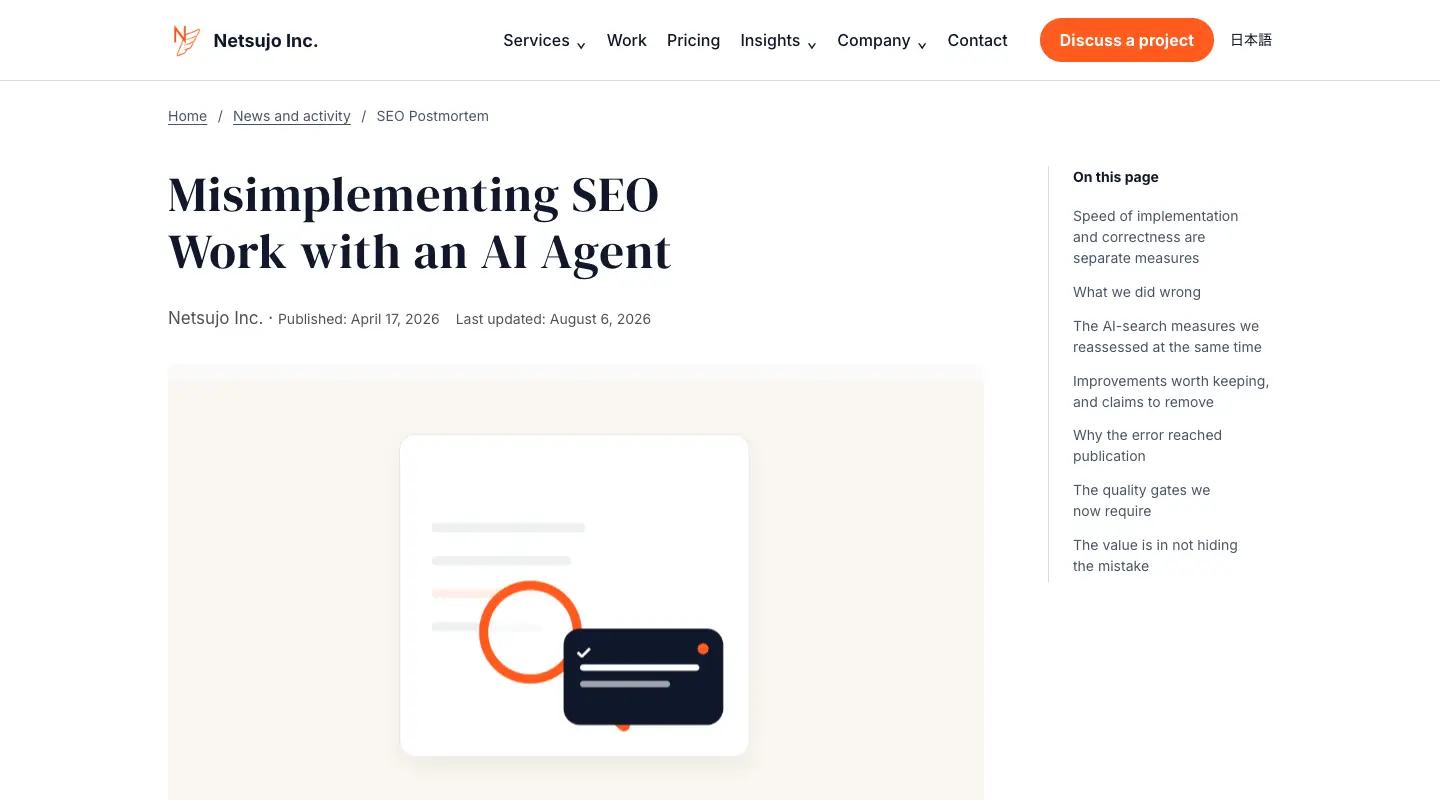
In April 2026 the team had Claude Code make a batch of SEO changes, and one of them submitted ordinary pages to Google’s Indexing API in bulk. That API is limited to job posting and live-stream pages. Ordinary pages don’t qualify.
The post was corrected in July and rewritten in August, with the effect of llms.txt marked unverified.
The useful fixes survived: redirects for old URLs that returned 404, Open Graph tags, structured data and internal links. Their own diagnosis is that they ran the change before checking the specification, and treated a successful API response as a successful result.
Pros: the redirects and metadata work was sound, and the write-up is a model of owning a mistake. Cons: none of it came with a traffic result.
Fix it: add a rule to your CLAUDE.md that Claude must cite the official documentation before it ships an SEO change, and read Claude SEO skills to see which tasks to hand over at all.
What the good ones had in common#
Each of the four that worked started from something fixed: Dahlin’s site plan, Kurita’s design variations, Soamee’s review rule and Muller’s own direction. Furze’s four sites built from his ebooks held up for the same reason, and the one he built from nothing came out thin. Upstar had no rule about what Google would accept, so Claude kept producing pages until the template was the whole site.
So before you open Claude Code, write down who the site is for, the one thing a visitor should do and what you want it to look like, then decide who checks Claude’s work. Claude Code builds fast. It doesn’t know what you haven’t told it.
Want to see the process end to end? How to build a website with Claude walks through it. Or, if you’d rather we did it, we’ll build it for you with the same tools, on your domain.